
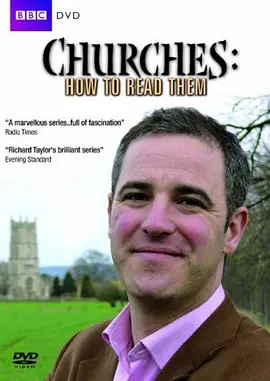
如何读懂教堂 Churches: How to Read Them (2010)
夸克网盘
https://pan.quark.cn/s/2a58aaf5e687
导演: Karen Selway
主演: Richard Taylor
类型: 纪录片
制片国家/地区: 英国
语言: 英语
首播: 2010-09-15(英国)
集数: 6
单集片长: 30
又名: BBC解密教堂 / 教堂大解密(台)
剧情简介
若不认识到
死亡是中世纪教堂的核心主题
,便无法真正理解这些建筑。理查德・泰勒在书中阐释,教堂的设计初衷,便是为中世纪民众提供一条超脱死亡的途径 —— 其中包含末日审判场景、骸骨墓碑,以及对耶稣受难极具冲击力的刻画。
他剖析了为何十字架上的苦难场景会如此突出,也解释了为何在伍斯特郡的马尔文修道院等知名建筑中,窗户、地面与墙壁上会绘满迫害耶稣所用刑具的图案。
泰勒还讲述了中世纪人对炼狱的执念,以及这种执念如何再度改变教堂建筑:人们修建精美的小祈祷堂,在此举行弥撒,为逝者的灵魂通往天国减轻路途磨难。
内容简介
作者理查德・泰勒探究了数世纪以来,英国教区教堂的意象、符号与建筑如何启迪、触动,也激怒过无数人。
第一部分:黑暗开端
主持人理查德・泰勒讲述教堂最初只是简易建筑,用以守护祭坛与基督教最重要的圣礼 —— 圣餐礼。他走访英国保存最完好的中世纪早期教堂,解开一个谜团:为何盎格鲁 – 撒克逊人与诺曼人似乎不愿摆脱前基督教时代的传统,仍在神圣建筑中布满神秘的异教意象。牛津图书馆的一本古籍,为他找到了答案。
第二部分:中世纪生活
理查德・泰勒发掘证据,揭示教区教堂如何、为何在中世纪日常生活中占据至关重要的地位。他考察诙谐的壁画与精巧的雕刻如何用以传递道德教化,布莱斯伯勒教堂等建筑中的天使雕刻又如何营造出人间天堂。他探寻洗礼、以及如今几乎被遗忘的 “妇女产后谢恩礼” 等仪式,如何为人们提供从出生到离世的庇佑。
第三部分:中世纪死亡
理查德・泰勒展现教堂如何通过末日审判图景、骸骨墓葬与耶稣受难的写实刻画,为中世纪人构筑对抗死亡的精神寄托。他解读十字架受难场景为何如此醒目,马尔文修道院等建筑的窗、地、墙又为何饰有耶稣受难刑具。泰勒还阐释了中世纪人对炼狱的执念,如何催生了祈祷堂的修建,进而改变教堂格局。
第四部分:宗教改革 —— 混乱与新生
借助艺术史学家温迪・贝克特修女与一扇彩绘玻璃窗,理查德・泰勒试图理解中世纪人对圣母玛利亚的极致虔敬,以及这份虔敬如何点燃后续宗教改革的怒火。他 “解读” 一座废弃教堂,指出宗教改革最剧烈的变革并非出自亨利八世,而是其年少的继承者爱德华六世。他还追溯《公祷书》与英文圣经译本,如何改变英国人的礼拜方式与教堂样貌。
第五部分:复辟与理性时代
人们常认为 18 世纪的教会生活文雅而乏味,但理查德・泰勒发现,启蒙时代的教堂恰恰映照出那个动荡年代激荡的思想活力、蓬勃生机与潜在冲突。他展示普通教区教堂的符号如何体现教会与王权日益紧密的联结,登上惠特比圣玛丽教堂的三层布道坛亲身体验,并探寻克里斯托弗・雷恩与尼古拉斯・霍克斯穆尔设计的伦敦教堂,如何反映当时最新的科学认知与考古发现。
第六部分:维多利亚时代及之后
理查德・泰勒发现,工业革命期间,中世纪意象与仪式意外重回维多利亚时期的礼拜场所,并使圣公会陷入纷争。他回溯盎格鲁天主教牛津运动引发的争议,探访其代表性教堂。他见证 20 世纪战争如何烙印在教堂意象之中,以及一战如何让另一项中世纪传统 —— 悼念逝者 —— 再度回归。
The medieval church cannot be understood without recognising that death was at its heart. Richard Taylor shows how churches were design ed to give medieval people a way to escape death, with their Judgement scenes, cadaver tombs and graphic depictions of the crucifixion.
He explains why scenes of suffering on the cross became so prominent and why the instruments used in the persecution of Jesus were depicted in the decoration of windows, floors and walls at such remarkable sites as Malvern Priory in Worcestershire.
Taylor explains the medieval obsession with purgatory and how this again transformed our churches with the building of elaborate chantry chapels, where Masses could be said to ease the journey of departed souls into heaven.
Information
Author Richard Taylor examines how the imagery, symbols and architecture of English parish churches have inspired, moved and enraged people down the centuries.
Part 1: Dark Beginnings
Presenter Richard Taylor explains how churches were originally simple buildings intended to protect the altar and the most important Christian rite of all, the Eucharist. He visits Britain’s finest early medieval churches to untangle the mystery of why the Anglo-Saxons and Normans seem to have been unwilling to shake off their pre-Christian past and to have continued to fill their sacred buildings with mysterious pagan images. An ancient book in an Oxford library helps Richard find an answer.
Part 2: Medieval Life
Richard Taylor uncovers evidence that shows how and why our parish churches came to play such a crucial role in the everyday life of the Middle Ages. He looks at how humorous wall paintings and intricate carvings were used to teach moral lessons and how carved angels in such churches as Blythburgh were used to create a heaven on earth. He finds out how rites such as baptism and the largely forgotten ritual known as the ‘churching of women’ offered people protection from the cradle to the grave.
Part 3: Medieval Death
Richard Taylor shows how churches were designed to give medieval people a way to escape death, with their Judgement scenes, cadaver tombs and graphic depictions of the crucifixion. He explains why scenes of suffering on the cross became so prominent and why the instruments used in the persecution of Jesus were depicted on the windows, floors and walls of sites like Malvern Priory. Taylor explains how the medieval obsession with purgatory transformed churches with the building of chantry chapels.
Part 4: Reformation – Chaos and Creation
With the help of art historian Sister Wendy Beckett and a stained-glass window, Richard Taylor tries to understand the intense medieval devotion to the Virgin Mary and how this fuelled the anger of the Reformation that followed. Richard ‘reads’ a ruined church and explains how it was not Henry VIII but his boy-king successor, Edward VI, who was responsible for the greatest changes in the Reformation. He also traces how the Book of Common Prayer and the translation of the Bible into English transformed the way that the English worshipped and the appearance of their churches.
Part 5: Restoration and Reason
Church life in the 18th century is often thought to have been genteel and dull, but Richard Taylor finds that churches in this Age of Enlightenment reflect the intellectual excitement, the vigour and the potential for conflict of a turbulent time. He shows how the symbols in the everyday parish church reveal the ever-closer identification between church and state and he tries out the triple-decker pulpit at St Mary’s in Whitby, and he discovers how the London churches of Christopher Wren and Nicholas Hawksmoor reflect the latest scientific insights and archaeological discoveries of the age.
Part 6: The Victorians and after
Richard Taylor discovers how, during the industrial revolution, medieval imagery and ritual make a surprise return to Victorian places of worship and plunge the Anglican Church into conflict. Richard retraces the controversy surrounding this Oxford Movement of Anglo-Catholics and explores their finest churches. He sees how the impact of war in the 20th century is reflected on imagery in our churches and how the First World War brought a return to another medieval practice – the commemoration of the dead.