
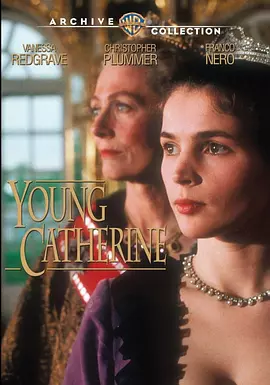
俄宫情怨 Young Catherine (1991)
夸克网盘
https://pan.quark.cn/s/f11ae3d069a2
导演: 迈克尔·安德森
编剧: 克里斯·布莱恩特
主演: 朱莉娅·奥蒙德 / 瓦妮莎·雷德格雷夫 / 克里斯托弗·普卢默 / 弗兰科·内罗 / 玛尔特·克勒尔 / 更多…
类型: 剧情 / 传记 / 历史
制片国家/地区: 美国
语言: 英语
上映日期: 1991-02-17
片长: 150分钟
又名: 凯瑟琳女皇 / 年轻的凯瑟琳 / 叶卡捷琳娜女皇 / 年轻的叶卡捷琳娜
IMDb: tt0103311
剧情简介
朱莉娅・奥蒙德曾被火速捧往好莱坞,预定成为一线巨星 —— 可这一切终究没能成真。如今她回到伦敦,出演戴维・黑尔的新剧。她向哈丽特・莱恩讲述了自己回归的原因。
五年前,好莱坞的资本一致看好朱莉娅・奥蒙德,认为她会成为下一个朱莉娅・罗伯茨,或是下一个梅格・瑞恩。结果她却走上了另一条路,成了另一个吉娜・戴维斯。和戴维斯一样,奥蒙德在好莱坞开局惊艳,被海量宣传资源一路助推,星途扶摇直上,可这份耀眼很快急转直下,重重跌回地面。
奥蒙德的故事里,带着几分希莱尔・贝洛克笔下的警示意味。或者说,只要她愿意配合,把自己塑造成 “陨落之星”“来自萨里、以为自己是奥黛丽・赫本的女孩”,这段经历就会更像一则寓言。但她唯独不愿扮演的,就是受害者。
“说实话,那些好话你根本不能信。” 谈起 1995 年那段被舆论包围的日子 ——《燃情岁月》《第一武士》《情迷巴黎》三部影片几乎同期上映,奥蒙德说,“那些赞美简直疯了,离谱得很。你不把它们太当回事,等到负面声音袭来时,反而会好受些。而你心里清楚,坏消息迟早会来。必须如此 —— 有起必有落。”
事实也的确如此:她早有预料。29 岁的奥蒙德,并没有沉醉在明星制造机里。有些牺牲,她不愿做。片场欣赏她的人评价她 “强大”“坚定”“坦诚”;不愿具名的消息源则抱怨她 “态度有问题”。回看她最早的一批采访 —— 身边围着兴奋的电影高管、宣传人员,连超级经纪人迈克尔・奥维茨都亲自为她递水 —— 你能从字里行间读出一种冷静的怀疑。
“他们好像笃定一切都会大获成功。”1995 年奥蒙德接受《Vogue》采访时说,“我不是消极,只是在留后路。”
时机也实在不巧。她在《燃情岁月》里饰演女主角,紧接着便是《第一武士》—— 一部口碑糟糕的作品,她身着喇叭袖长裙饰演格温娜维尔,在肖恩・康纳利与理查・基尔之间摇摆。之后是翻拍版《情迷巴黎》,导演西德尼・波拉克一厢情愿地把她往奥黛丽・赫本的方向塑造。
尽管清楚《情迷巴黎》是个错误,奥蒙德却并不后悔。“那是一段极好的学习经历。没错,我因为不是奥黛丽・赫本而被骂得很惨…… 但其实只要睁大眼睛,这事本来就能预料到。可我当时太渴望学习,也不够有底气去拒绝。要敢说不,你得非常有底气才行。”
她知道自己幸运,也知道自己力不从心 —— 不是演技不行,而是扛不住围绕在演员身边的那一切。“在美国,最让我奇怪的是所有人都盯着外貌。我一直觉得,长相从来不是我的强项。这让我很不安,因为大家关注的从来不是你付出了多少努力,从来没有。大家只在乎……‘淡褐色的眼睛’。你得学会把这些东西抛在脑后。”
宣传方把出生在萨里的奥蒙德打造成天真少女,可她根本不是那样的人。或许也正因如此,她才没有彻底迷失。在进入戏剧学校、拍过一则农家奶酪广告后,她在英国做了十年职业演员,在舞台和电视圈都打下扎实口碑:1989 年,她凭借克里斯托弗・汉普顿的《信仰、希望与慈善》拿下伦敦影评人协会最佳新人奖;在剧集《毒品网络》里,她饰演的瘾君子也令人印象深刻。之后,她才拿到《燃情岁月》的机会。
“这一切都让我害怕。一个童话般的光环被架在你身上 —— 好像你只是走在街上,就被西德尼・波拉克一眼看中:‘我要捧你!’可事实是,你读过戏剧学校、演过地区剧院、来到伦敦一遍遍试镜…… 扎扎实实努力了很多年。但这些全都被人忘了。一开始我有点愤怒,后来我想通了:‘算了,人们想看什么,就给他们看什么吧。’但这不在你的掌控里。它就这么发生在你身上,而这才是最可怕的。”
但拍戏本身,却让她乐在其中。在英国,“我演的角色大多不是割腕、剪发、开枪自杀,就是死于瘟疫。一件事做太久,就会失去锋芒,变得太轻松。而轻松,就是死亡之吻。所以我需要跳出舒适区。去拍《第一武士》—— 骑着马到处跑、披着斗篷、和穿着蓝色灯芯绒的骑士们搭戏 —— 其实挺有意思。”
于是奥蒙德 “潇洒” 了一阵子,按要求露出那标志性、令人难忘的笑容(有记者写道:“看她演戏,就是在等那个笑容出现”),然后…… 她消失了,至少从主流视野里淡出。她离开红毯,开始接更冒险的作品:比利・奥古斯特执导的《冰雪迷案》、尼基塔・米哈尔科夫的三小时俄罗斯史诗《西伯利亚的理发师》。
在她最当红时,有人送上明星顶配资源 —— 成立自己的制作公司。奥蒙德真的用它做了点事:拍了一部关于塞尔维亚拘留营中波斯尼亚女性的纪录片,与哈罗德・品特合作改编卡伦・布利克森的短篇故事,并希望能亲自执导。去年,她嫁给了一位从事电商行业的美国人。
接下来,她将时隔九年重返伦敦舞台。在皇家宫廷剧院排练戴维・黑尔的新剧《我的锌床》间隙,奥蒙德一身典型的伦敦剧场人打扮:黑色针织衫、卡其裤、深蓝色人字拖,头发有些凌乱,像是好几天没梳,素颜。她的脸比我预想中更有故事、更有层次。你会忍不住盯着她看,生怕错过她大笑时脸上闪过的那股野性生命力。
奥蒙德并没有放弃电影(她的家在洛杉矶,与文斯・沃恩、艾德・哈里斯合作的喜剧《主要任务》正在后期制作),但黑尔这部作品实在不容错过。是什么打动了她?“因为剧本是戴维写的,由他亲自在皇家宫廷剧院执导,还是一部全新的三人剧。再加剧本本身极其出色。我不评价我们会演成什么样、能达到什么效果,但单看文本,这就是一部非凡的作品。”
由于《我的锌床》处于非正式保密阶段,奥蒙德与同剧演员汤姆・威尔金森、史蒂文・麦金托什都不愿细说剧情,只透露故事讲述一位企业家招募年轻诗人,为自己的互联网帝国增添光彩。奥蒙德饰演企业家的妻子埃尔莎,她表示,黑尔的剧本比当时递到她手上的所有电影剧本都更亮眼。无论如何,她一直渴望回归剧场。
“我喜欢骑马,” 奥蒙德很擅长打比方,“拍了电影再回来演戏剧,有点像在野外随意驰骋很久之后,再去练盛装舞步或障碍赛。你会以另一种方式打磨演技。这不是说野外驰骋不对、不好,我绝对没有这个意思;只是盛装舞步这种被严格训练的过程,能让你变得更好。”
没错,她觉得这次赌注很高。“我觉得戴维敢用我,是冒了险的。我有种感觉:从戏剧出发,转去拍电影,在某种程度上会被视为‘背叛’。我不认同这种看法,但你拦不住别人这么想。所以大家对我还是有点保留。天啊!事情从来不止关乎作品本身,总会有别的东西掺杂进来。”
她很担心自己的经历、自己的名声,会掩盖黑尔这部作品的光芒。当她补充一句:“不过在我看来,那些都已经过去了 —— 我已经走出来了”,你能听出,她是认真的。
Julia Ormond was swept off to Hollywood to become a star – but somehow it didn’t happen. Now she’s in London to appear in David Hare’s new play. She tells Harriet Lane why she came back
Five years ago, the smart Hollywood money was on Julia Ormond becoming the new Julia Roberts or the new Meg Ryan. Instead, she went off at a different angle and became the new Geena Davis. Like Davis, Ormond enjoyed a spectacular launch in Hollywood, buoyed by gallons of publicity rocket fuel: a dazzling ascent swiftly followed by a tumble back to earth at the end of a blackened stick.
There is something rather Hilaire Belloc about Julia Ormond’s story, something a little cautionary. Or rather, there would be if she would only play along with it, cast herself as The Fallen Star, or The Girl From Surrey Who Thought She Was Audrey Hepburn. But one role she’s simply not interested in is that of victim. ‘For sure, you don’t believe the good stuff,’ says Ormond, referring to the hullaballoo that surrounded her in 1995 when Legends of the Fall , First Knight and Sabrina all opened more or less simultaneously. ‘I mean, the good stuff is just insane – wacky. If you don’t take it too much to heart, it does help when the negative stuff hits. And you know the negative stuff is coming. It’s got to! What comes up must come down.’
Article continues
And it’s true: she did know it was coming. At 29, Ormond hadn’t submitted rapturously to the star machine. There were sacrifices she didn’t want to make. On-set admirers called her ‘formidable’ and ‘flinty’ and ‘honest’; unnamed sources grumbled about ‘attitude’. Looking back at her earliest interviews, conducted amid a swarm of excitable movie execs and publicists, with superagent Michael Ovitz himself on hand to fetch her glasses of water, you note a rich seam of ho-hum scepticism. ‘They seem to be very sure things are going to be a success,’ Ormond told Vogue in 1995. ‘I’m not being negative about it, but I’m hedging my bets.’
Certainly, the timing was unfortunate. Legends of the Fall, where she played the love interest, was quickly followed by First Knight, a hilarious turkey in which a trumpet-sleeved Ormond was Guinevere, torn between Sean Connery and Richard Gere. Then came a remake of Sabrina, in which director Sydney Pollack misguidedly steered her into Audrey Hepburn’s ballet pumps. Though she knows Sabrina was a mistake, Ormond has no regrets. ‘It was a fantastic learning experience and OK, I got slammed because I wasn’t Audrey Hepburn… but you could have predicted that, really, if you’d opened your eyes wide enough. But I was hungry for the learning experience and didn’t feel secure enough to say no. You need to be bloody secure to say no.’
She knew she was lucky, but she also knew she was out of her depth – not with the acting, but with the stuff that surrounded it. ‘The odd thing for me is the focus on looks which happened in the States. I’d always felt that was not going to be a strong point. That made me feel very disturbed, because it never seemed to be about how much hard work was involved. Ever. It was about… “hazel eyes”. It does help if you can brush that stuff off.’
Billed by the publicists as an ingénue, Surrey-born Ormond was no such thing, and this may have saved her bacon. After drama school and an advert for cottage cheese, she had spent a decade as a jobbing actor in the UK, carving out a strong reputation on stage (in 1989, she’d won the London Critics’ Award for Best Newcomer, in Christopher Hampton’s Faith Hope and Charity at the Lyric Hammersmith) and television (in particular, as a drug addict in Traffik) before landing Legends.
‘I found it all very scary. This fairytale gets built around you – as if you’ve been walking through the streets and then Sydney Pollack sees you and goes, “I’ll put you in something!” When really you’ve gone to drama school and rep and then you’ve come to London and gone to auditions… and you’ve worked, solidly, for years. But that all gets forgotten. At first I was a bit indignant about it, and then I realised, “No, that’s what people want, so that’s what is given.” But it’s not in your control. It’s just what happens to you, and that’s what’s frightening.’
The roles, on the other hand, were a gas. In the UK, ‘I’d seemed to play a lot of people who’d slit their wrists or cut off their hair or shot themselves or died of the plague. And if you do anything for too long, it starts to lack edge, to become too easy. Easy is the kiss of death. And so for me what I needed was to get my head out of my bottom, and so to go off and do First Knight – gallivanting around on a horse, with a cape, and knights in blue corduroy – was quite fun.’
So Ormond gallivanted for a bit, airing her famous, transfixing smile as required (‘You watch her just to wait for it to happen,’ wrote one journalist), and then… vanished, at least from the mainstream. Stepping off the red carpet, she took bigger risks. A doomed film version of Miss Smilla’s Feeling for Snow , directed by Bille August. A three-hour Russian epic, The Barber of Siberia, directed by Nikita Mikhalkov. When she was white-hot she’d been offered the Holy Grail of movie-star accessories, her own production company, and Ormond actually did something with hers, making a documentary about Bosnian women in Serbian detention camps, and working with Harold Pinter on a Karen Blixen short story that she hopes to direct. Last year she married an American who works in e-commerce.
For her next trick, she’s coming back to the London stage for the first time in nine years. At the Royal Court, in a break from rehearsing David Hare’s new play My Zinc Bed , Ormond looks very London, very theatre. She’s wearing a black jersey, chinos and navy flipflops, and her hair is rather tangled, as if it hasn’t been brushed for days. No make-up. Her face has more character, more shade, than I was expecting. You do find yourself staring at her, just so you won’t miss the wild energy that surges across it when she laughs.
Ormond hasn’t turned her back on film (the marital home is in LA, and The Prime Gig, a comedy co-starring Vince Vaughn and Ed Harris, is in post-production) but the Hare project was too good to miss. What swung it for her? ‘The fact that David had written it and David was directing it at the Royal Court and it was a new three-hander. Plus, it’s a brilliant play. I’m not making any comment on how we execute it or what we achieve through doing it, but reading it, it’s a phenomenal play.’
Since there’s some sort of unofficial embargo about My Zinc Bed, neither Ormond nor her co-stars Tom Wilkinson and Steven Mackintosh will spell out what actually happens in the play, other than saying that it’s about an entrepreneur who recruits a young poet to jazz up his internet empire. Ormond, who plays Elsa, the entrepreneur’s wife, says the Hare script outshone every film script that was coming her way. In any case, she’d been keen to get back to theatre.
‘I ride,’ says Ormond, who has a way with analogies, ‘and doing theatre after doing film is a bit like doing dressage or showjumping after you’ve been out for endless hacks, having just a wild old time. You’re put through your paces in a different way. And it’s not that going out for a hack is wrong or bad, I certainly don’t view it as that; it’s just that there’s something about the dressage, being put through your paces, that makes you better.’
Yes, she feels the stakes are high this time around. ‘I feel that David took a risk with me. I have a sense that by starting off in the theatre and going off to do films you are seen to sell out in some way. I don’t hold truck with that, but you can’t stop people from feeling it. So I think people are a little guarded about me. Oh, God! It’s never just about the piece. Something else always washes over it.’
She’s anxious that her own trajectory, her own reputation, should not obscure Hare’s work. When she adds, ‘But then, my sense is that that’ s all something in the past – I’ve escaped it’, she sounds like she really means it.
获奖情况